How Cold Weather Exposes Hidden Window Problems (And What to Do About Them)
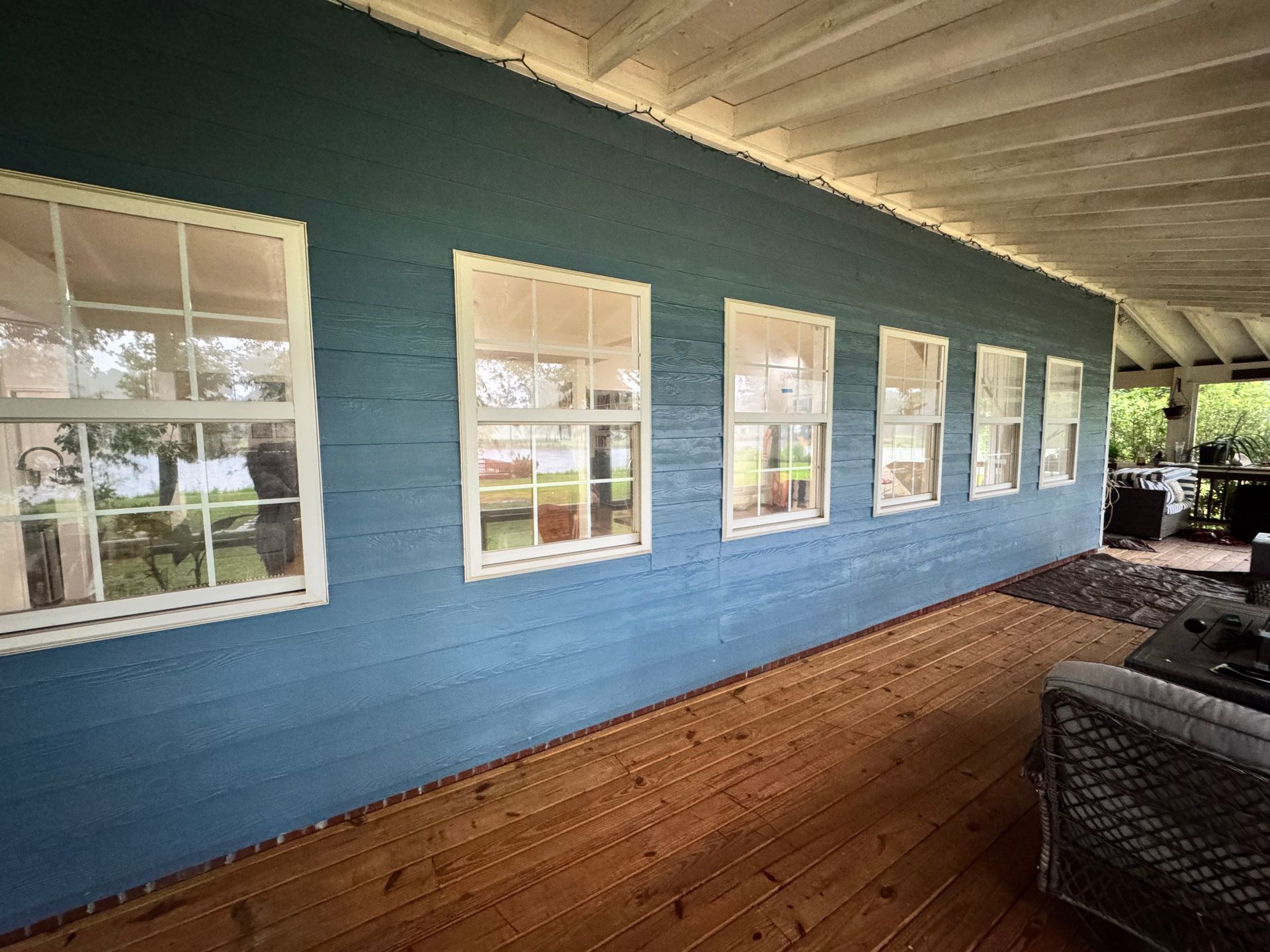
Winter has a way of revealing problems in your home that may go unnoticed during warmer months. When temperatures drop, your windows are put to the test — and even small issues can quickly become uncomfortable, expensive, or damaging if ignored. Drafts, condensation, and sticking windows aren’t just seasonal annoyances; they’re often signs of underlying problems that deserve attention.
Understanding what winter conditions reveal about your windows can help you address concerns early, protect your home, and prevent larger repairs down the road.
Drafts and Air Leaks Become More Noticeable
Cold weather makes air leaks easier to detect. If you feel chilly air near window frames or notice curtains shifting slightly, air may be entering through worn weatherstripping, deteriorated caulking, or small gaps in the window frame. These leaks allow warm air to escape while letting cold air inside, making it harder to maintain a consistent indoor temperature.
Over time, untreated air leaks can lead to higher heating costs and uneven comfort throughout your home. Bedrooms, living areas, or upper floors may feel colder than others, even when the heat is running regularly.
Condensation Signals Moisture Problems
Condensation is another common winter issue that shouldn’t be ignored. Moisture on the interior glass surface may point to high indoor humidity, while fogging or moisture between panes usually indicates a broken seal. Once a window seal fails, its insulating performance drops significantly.
Excess moisture can also damage surrounding materials, including window trim, drywall, and framing. If left unresolved, it can contribute to mold growth and long-term structural concerns.
Windows That Stick, Jam, or Won’t Lock
Cold temperatures cause materials like wood and vinyl to contract. This can make windows harder to open, close, or lock during winter. While occasional stiffness may be normal, persistent sticking or misalignment may indicate warping, moisture damage, or foundational shifting.
Windows that don’t operate properly aren’t just inconvenient — they can affect ventilation, security, and emergency egress. Addressing operational issues early can help prevent permanent damage.
Ice and Frost Around Window Frames
Ice buildup along window sills or frames is often a sign of air leakage or moisture intrusion. Warm indoor air escaping through gaps meets cold outdoor temperatures and freezes, creating frost or ice. This repeated freezing and thawing cycle can deteriorate window components and surrounding materials.
If ice formation is frequent, it’s important to identify the source of air or moisture leakage before further damage occurs.
Indoor Comfort and Temperature Imbalances
Another often-overlooked winter window issue is uneven indoor temperatures. Rooms with poorly performing windows may feel colder than others, even with consistent heating. This imbalance can cause homeowners to raise the thermostat, increasing energy usage without fully solving the comfort issue.
Windows that fail to insulate properly allow heat transfer that impacts overall comfort and system efficiency.
Why Small Window Issues Shouldn’t Be Ignored
Minor window problems can easily be overlooked during busy winter months. However, small gaps, condensation, or sticking windows often worsen over time as materials continue to expand and contract with temperature changes. What starts as a minor annoyance can eventually lead to moisture damage, insulation problems, or higher repair costs.
Catching these issues early allows for simpler, more affordable solutions.
When Repairs Are Enough — and When They Aren’t
Not every winter window problem requires full replacement. Minor issues such as worn weatherstripping, loose seals, or small gaps can often be repaired effectively. However, repeated condensation between panes, extensive frame damage, or long-term moisture problems may signal that replacement is the more practical long-term option.
A professional window inspection during winter can help determine whether repairs will resolve the issue or if replacement should be considered before problems worsen.
FAQs: Winter Window Issues
Why do my windows feel drafty only during cold months?
Cold air makes gaps and leaks more noticeable as warm indoor air escapes more quickly.
Is condensation on windows always a problem?
Light condensation can be normal, but frequent moisture or fogging between panes typically indicates an issue.
Can window problems affect heating costs?
Yes. Air leaks and poor insulation increase the workload on your heating system.
Is winter a good time for window inspections?
Yes. Many window problems are easier to identify during cold weather conditions.
You might also like