How New Siding Protects and Enhances Your Home
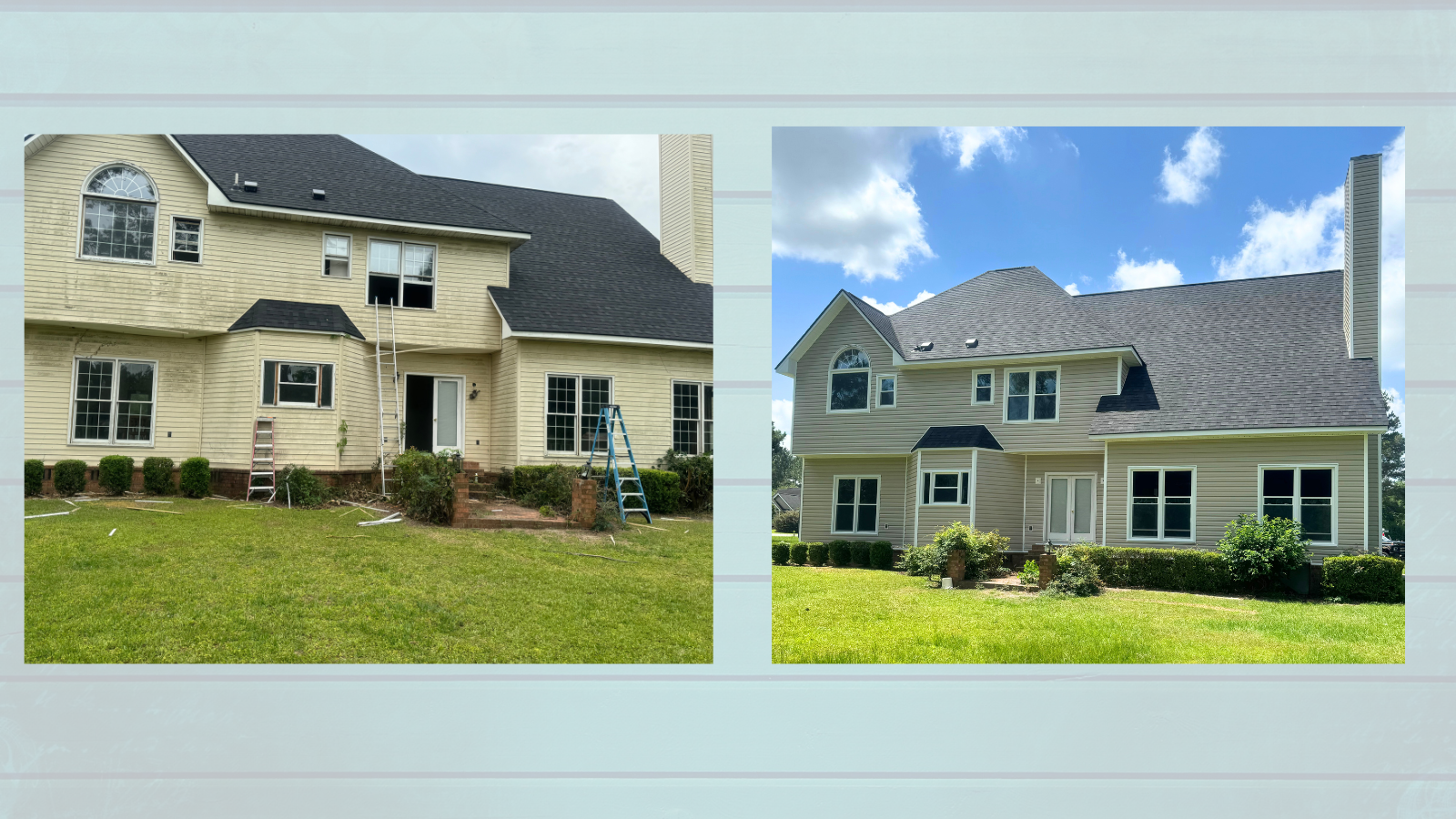
Siding does far more than define your home’s appearance. In warm, humid environments, siding serves as a critical protective barrier against moisture, heat, pests, and storm damage. When siding becomes worn, cracked, or outdated, it can allow water and heat to penetrate your home—leading to higher energy bills and costly structural issues. Replacing old siding is one of the most effective ways to protect your home while improving curb appeal and long-term value.
Why Siding Matters in Warm, Humid Climates
Homes in humid regions face constant exposure to moisture, heavy rainfall, and intense sun. These conditions can quickly degrade exterior materials if they aren’t designed for the environment. Quality siding helps:
- Block moisture intrusion that can cause rot and mold
- Reduce heat transfer into the home
- Protect framing and insulation from pests
- Improve overall energy efficiency
When siding begins to fail, water can seep behind panels and into wall cavities, potentially damaging insulation and structural components. Addressing siding issues early helps homeowners avoid expensive repairs down the road.
Popular Siding Options for Today’s Homes
Vinyl Siding
Vinyl siding remains one of the most popular choices for homeowners due to its durability and low maintenance requirements. It is designed to resist moisture, insects, and fading, making it well-suited for humid environments.
Benefits of vinyl siding include:
- No painting or staining required
- Wide variety of colors and textures
- Resistance to rot and pests
- Cost-effective installation
Modern vinyl siding products also offer improved insulation options that help boost energy efficiency and indoor comfort.
Fiber Cement Siding
Fiber cement siding is a premium option known for its strength and long lifespan. It is engineered to withstand challenging weather conditions while offering a more traditional, upscale appearance.
Key advantages include:
- Resistance to warping and cracking
- Fire-resistant properties
- Excellent durability against moisture and insects
- Long-lasting color retention
For homeowners seeking a balance of performance and aesthetics, fiber cement siding is an excellent long-term investment.
Energy Efficiency Benefits of New Siding
Older siding materials often lack proper insulation, allowing heat to enter the home during warmer months. New siding systems frequently include insulated backing that enhances your home’s thermal envelope.
Improved siding insulation can:
- Keep cooled air inside longer
- Reduce HVAC workload
- Improve indoor comfort
- Help stabilize indoor temperatures
When combined with energy-efficient windows, new siding can significantly reduce cooling costs and improve year-round efficiency.
Added Protection Against Moisture and Storm Damage
In addition to insulation benefits, modern siding systems are designed to shed water efficiently and protect against wind-driven rain. Proper installation includes moisture barriers and flashing that help direct water away from the home’s structure.
This added layer of protection helps reduce the risk of hidden water damage that can lead to mold growth or structural deterioration over time.
Improve Curb Appeal and Property Value
Few exterior upgrades make as immediate an impact as new siding. Fresh colors, clean lines, and modern textures can completely transform the look of your home. Whether you prefer a classic neutral palette or a bold, contemporary style, new siding enhances your home’s overall appearance.
From a resale standpoint, siding replacement is a valuable upgrade. Buyers are drawn to homes with low-maintenance exteriors and visible improvements, making new siding a strong selling point.
Coordinating Siding With Windows and Trim
A cohesive exterior design goes beyond siding alone. Properly coordinating siding with windows, trim, and other architectural elements improves both aesthetics and performance.
Professional installation ensures:
- Proper flashing around windows and doors
- Seamless transitions between materials
- Enhanced weather protection
- A clean, finished appearance
Advantage Home Exteriors specializes in coordinating siding and window installations to deliver long-lasting results and a polished exterior.
Signs Your Siding May Need Replacement
- Cracked, warped, or loose panels
- Mold, mildew, or rot
- Fading or peeling color
- Increased energy bills
- Water stains on interior walls
If you notice any of these issues, it may be time to schedule a siding evaluation.
Siding Replacement FAQs
How long does siding typically last?
Vinyl siding can last 20–40 years, while fiber cement siding often lasts 30–50 years with proper installation.
Is siding replacement disruptive to daily life?
Most siding projects are completed efficiently with minimal disruption, allowing homeowners to remain comfortable throughout the process.
Does new siding help with moisture problems?
Yes. Properly installed siding creates a protective barrier that helps prevent moisture intrusion and related damage.
Can siding and windows be replaced at the same time?
Yes, and completing both projects together often improves efficiency, appearance, and installation accuracy while reducing overall labor costs.
You might also like