Why Energy-Efficient Windows Are a Smart Investment for Homeowners
Living in warm, humid climates means dealing with long summers, high moisture levels, and intense sunshine for much of the year. While these conditions are common across much of the Southeast, they can put a serious strain on your home if your windows aren’t up to the task. Older or inefficient windows often allow heat, moisture, and air leaks to enter your home, making indoor spaces uncomfortable and increasing monthly energy bills. Upgrading to energy-efficient windows is one of the most effective ways homeowners can improve comfort, efficiency, and long-term value.
How Energy-Efficient Windows Reduce Cooling Costs
In warmer regions, windows play a major role in how hard your air conditioner has to work. Older single-pane windows or units with worn seals allow heat transfer and air leakage, which causes indoor temperatures to rise quickly. As a result, HVAC systems must run longer and more frequently to keep your home comfortable.
Modern energy-efficient windows are designed to reduce this heat gain. Features often include:
- Double or triple-pane glass
- Insulated window frames
- Low-E (low emissivity) glass coatings
- Argon or krypton gas fills between panes
These components work together to limit heat transfer and keep cooled air inside your home. Many homeowners notice more stable indoor temperatures and reduced cooling costs after replacing outdated windows.
Improved Indoor Comfort Throughout the Home
Drafty rooms, uneven temperatures, and hot spots near windows are common signs of inefficient window systems. Energy-efficient windows help eliminate these issues by improving insulation and reducing air leakage. This leads to a more consistent indoor environment from room to room.
Low-E glass is especially beneficial in sunny climates. It reflects solar heat while still allowing natural light to enter, keeping interiors bright without overheating. This balance allows homeowners to enjoy sunlight without sacrificing comfort.
Moisture Control and Humidity Reduction
High humidity can be a serious concern for many homeowners. Poorly sealed or aging windows can allow moisture to enter wall cavities, which may lead to mold, mildew, and wood rot over time. Energy-efficient windows are designed with advanced sealing systems that reduce air and moisture infiltration.
By limiting excess humidity entering your home, new windows can help protect interior walls, trim, and insulation while supporting healthier indoor air quality.
Protect Your Home’s Interior From UV Damage
Sunlight streaming through older windows can fade flooring, furniture, curtains, and artwork over time. Energy-efficient windows block a significant portion of harmful UV rays while still allowing visible light to pass through. This protection helps preserve your home’s interior finishes and furnishings, extending their lifespan and maintaining your home’s appearance.
Boost Curb Appeal and Home Value
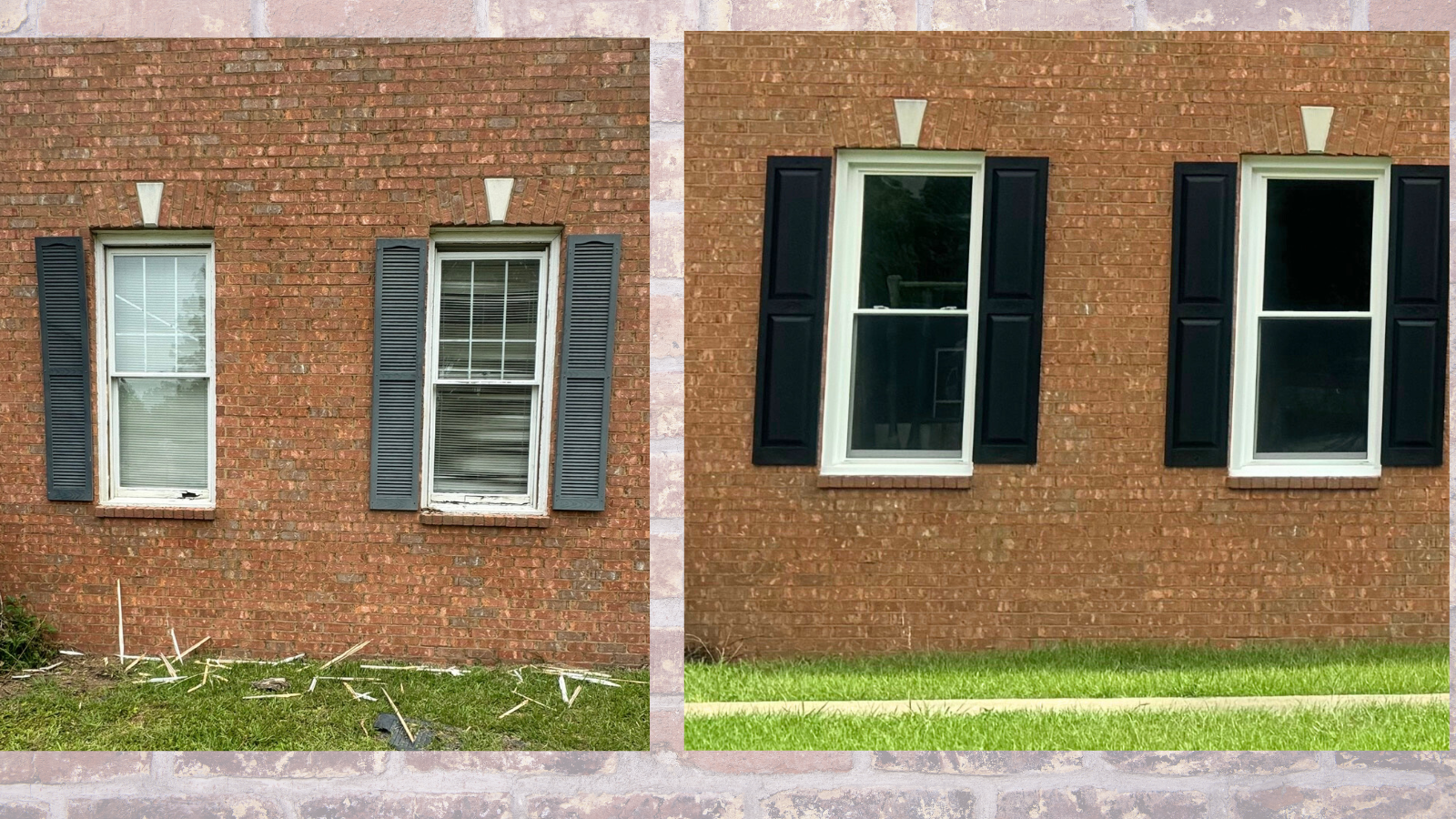
Replacing old windows delivers immediate visual impact. Modern window styles offer clean lines, updated trim options, and improved proportions that enhance your home’s exterior appearance. This upgrade can dramatically improve curb appeal, especially when windows are faded, warped, or outdated.
From a resale perspective, energy-efficient windows are a strong selling point. Buyers appreciate lower utility costs, improved comfort, and reduced maintenance—making window replacement a worthwhile investment for homeowners considering future resale.
Why Professional Installation Matters
Even high-quality windows won’t perform as intended if they are installed incorrectly. Improper installation can lead to air leaks, water intrusion, and reduced efficiency. Professional installation ensures:
- Proper sealing and insulation
- Correct flashing to prevent moisture issues
- Smooth operation and long-term durability
Advantage Home Exteriors provides professional window installation designed to handle heat, humidity, and seasonal weather challenges.
Signs It’s Time to Replace Your Windows
- Rising energy bills without increased usage
- Drafts or noticeable temperature changes near windows
- Condensation or fogging between glass panes
- Windows that are difficult to open or close
- Visible frame damage, warping, or rot
Window Replacement FAQs
How long do energy-efficient windows typically last?
Most modern windows last between 20 and 30 years with proper installation and routine maintenance.
Are energy-efficient windows worth it in warm, humid climates?
Yes. Long cooling seasons and higher humidity levels often mean noticeable improvements in comfort and energy savings.
Do new windows help reduce outside noise?
Double-pane and insulated windows significantly reduce exterior noise compared to older single-pane windows.
Can windows be replaced one at a time?
Yes, though replacing multiple windows together often improves overall efficiency and may reduce installation costs.
You might also like