Roof Installation Valdosta, GA
Advantage Home Exteriors installs new roofs for Valdosta homes and small commercial properties with a full system approach. The work needs to account for South Georgia heat, hard afternoon rain, humid attic air, roof edges, flashing, and clean drainage around the eaves.
A new roof is more than the finished material you see from the street. Decking, underlayment, fasteners, vents, pipe boots, valleys, drip edge, flashing, and cleanup all affect whether the roof is ready for the next Valdosta storm season.

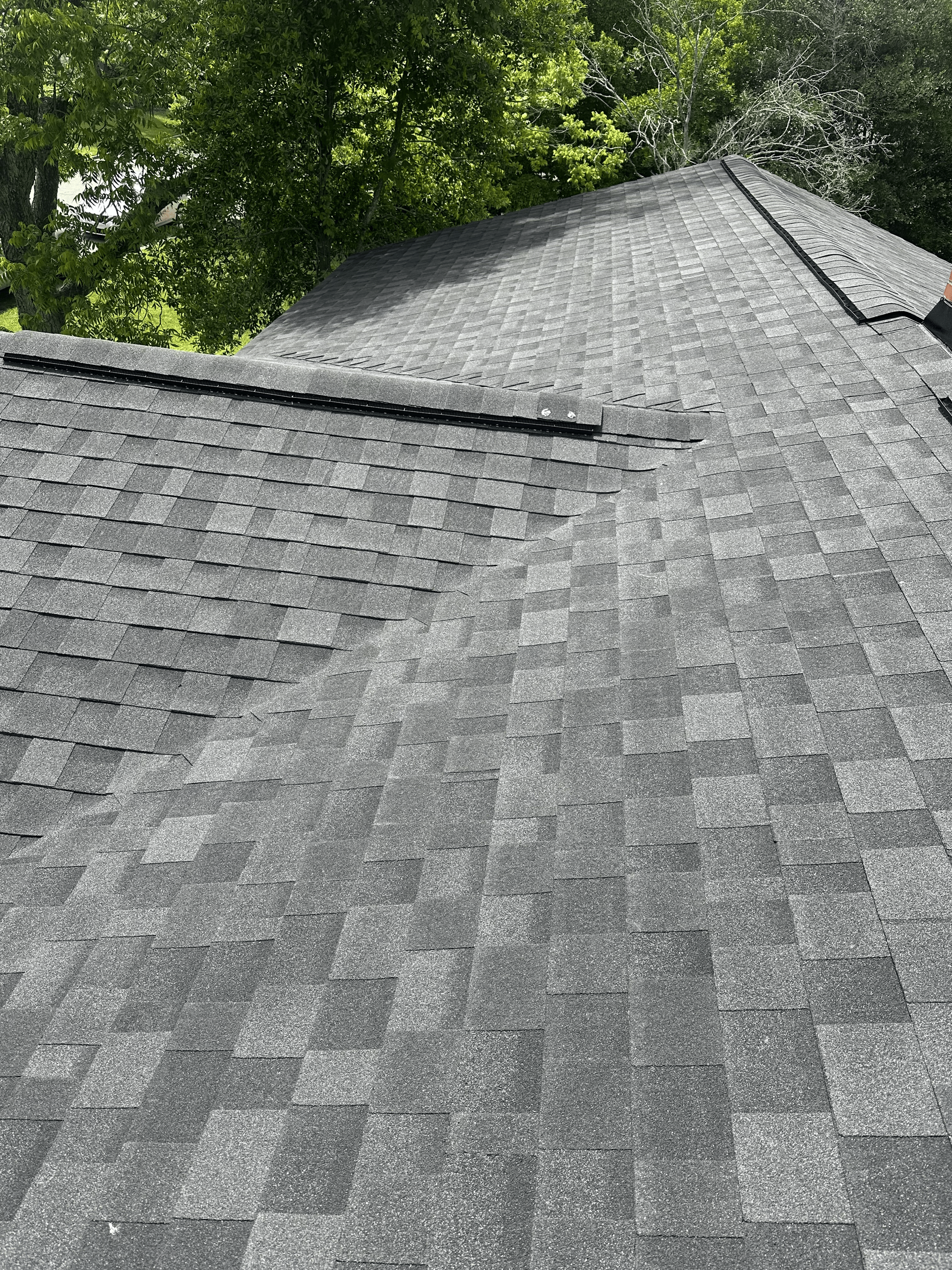
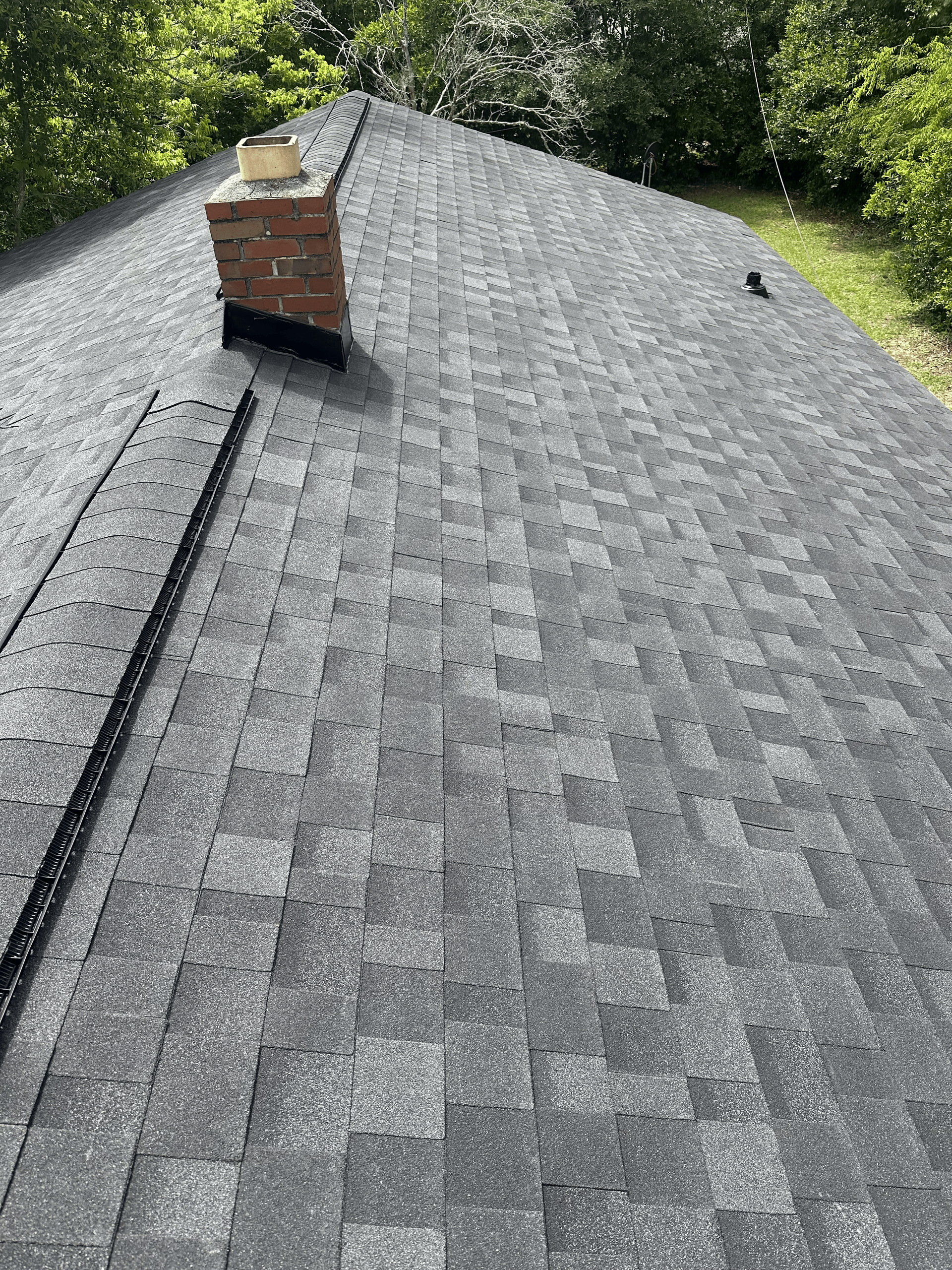
Which Roof Installation Path Fits Your Valdosta Property?
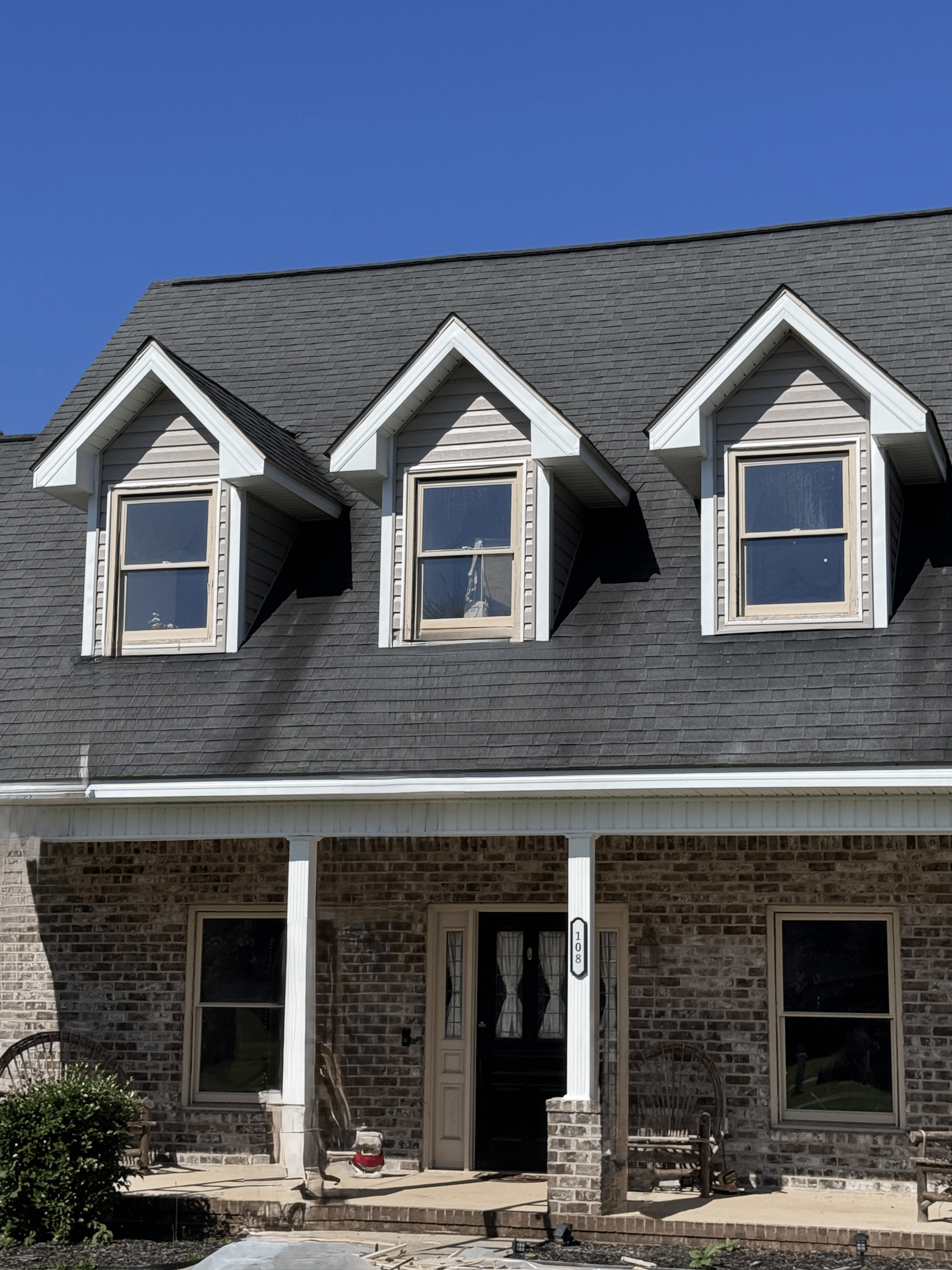
A roof installation may call for shingles on a home, metal roofing on a long term property, a membrane on a low slope area, or a commercial roof assembly. Choose the option closest to your project so the next step fits the building.
What type of roof are you considering?
Pick the closest project type.
Who Should Homeowners Call For Roof Installation In Valdosta, GA?
Valdosta homeowners should call Advantage Home Exteriors when they want a new roof installed as a complete system, not just a layer of material. The estimate should cover material choice, underlayment, flashing, ventilation, roof edges, and cleanup.
The company serves homeowners and property owners in Valdosta and nearby South Georgia communities with options for asphalt shingles, metal roofing, flat roofing, and TPO roofing.
Valdosta Roof Installs Need Planning For Heat, Humidity, Pine Debris, And Sudden Storms
Roof installation in Valdosta, GA starts with the weather. Long hot seasons, humid attics, heavy afternoon rain, tropical leftovers, pine needles, and gusty storms all test the roof details homeowners rarely see.
That is why the roof needs a full system plan. The material should fit the slope and building use, the attic should be able to breathe, flashing should protect leak points, and the roof edge should move water into the gutters instead of behind trim.
Attic heat and humidity
Poor ventilation can trap heat and moisture under the deck. Intake and exhaust should be checked before the new roof is closed in.
Pine needles and leaf buildup
Debris collects in valleys, gutters, and around roof projections. Clear water paths matter when a storm drops a lot of rain in a short window.
Wind driven rain
Flashing, starter strips, drip edge, pipe boots, and ridge details need careful installation. One weak detail can turn into a ceiling stain after the next hard storm.
What Should Be Handled During A Roof Installation?
A roof installation should protect the property as one working system. Shingles, panels, or membrane are only part of the job. The deck, airflow, transitions, and edges decide how the roof performs when weather gets rough.
Deck inspection
Decking should be checked for soft spots, old leak damage, uneven fastening surfaces, and moisture before new roofing goes down.
Underlayment and leak barriers
Synthetic underlayment, leak barriers where needed, and proper fastening help protect the roof deck under the finished material.
Ventilation review
Intake and exhaust ventilation should be reviewed so hot, humid attic air does not shorten roof life or create moisture problems.
Flashing and roof penetrations
Chimneys, walls, skylights, pipe boots, valleys, roof to wall areas, and low slope transitions need careful waterproofing from the start.
Roof edge drainage
Drip edge, starter courses, fascia lines, and gutter coordination help stormwater leave the roof instead of slipping behind exterior trim.
Cleanup and walkthrough
Wrappers, fasteners, old scraps, driveway debris, and yard cleanup should be handled before the final roof review is finished.
When A Valdosta Roof Needs More Than A Basic Shingle Install
Some roofs are straightforward. Others need more planning because of slope changes, past leaks, damaged decking, low slope sections, ventilation issues, or edges that have already let water travel.
Roof system concerns
- Roof slopes change around valleys, dormers, additions, porches, or low slope tie ins
- Past leaks left stains, soft decking, swollen fascia, or patched flashing
- The attic runs hot, feels damp, or shows weak airflow during humid weather
- The roof edge has gutter overflow, rotted trim, or water staining under the eaves
Material and weather concerns
- The property needs shingles, metal roofing, flat roofing, or TPO based on slope and use
- Pine trees, shade, and debris buildup affect how quickly the roof dries after rain
- Wind driven storms reach exposed edges, ridges, valleys, or open lots around the property
- A commercial or low slope section needs drainage planning instead of standard steep slope roofing
Some Valdosta Roof Problems Need Repair. Others Call For A New Installation
Repair can make sense when the rest of the roof still has useful life. A new installation is usually the better move when old materials, hidden deck issues, poor airflow, or repeated leaks make patching a costly delay.
Repair may still make sense when
- The leak is limited to a pipe boot, a small flashing area, or one shingle section
- The surrounding material is still flexible, attached well, and not shedding granules heavily
- The roof deck is dry, firm, and not showing wide staining from older leaks
- The roof has usable life left and the repair will not create a mismatched weak spot
- The repair cost makes sense compared with the remaining life of the roof
New installation is usually smarter when
- Leaks keep returning around different roof details or after previous repair attempts
- Shingles are brittle, lifted, storm worn, heavily stained, or losing protection across multiple slopes
- The roof needs a better material match, such as metal, flat roofing, or TPO for its slope and use
- Ventilation, decking, flashing, or drainage issues need to be corrected as one system
- A complete roof will protect the property better than another short term patch
Roof Installation Details That Matter For Valdosta Properties
Homes and commercial properties around Valdosta deal with intense sun, humid air, heavy rain bursts, seasonal wind, and roof debris from trees. A new roof should be selected around those conditions instead of treated like a generic product order.
Heat exposure
Material choice, attic airflow, and color selection can affect roof temperature through South Georgia summers.
Heavy rain bursts
Valleys, eaves, wall transitions, and roof edges need clean drainage so water moves off the roof fast during sudden storms.
Pine debris
Needles and leaves can slow drainage, hold moisture, and clog gutters when the roof has debris catch points.
Flashing weak points
Chimneys, pipe boots, skylights, walls, and penetrations need careful installation because many leaks begin at those details.
Deck condition
Soft sheathing, old nail holes, and stained decking should be handled before the new roof system is fastened down.
Attic airflow
Balanced intake and exhaust help reduce trapped heat, damp insulation, condensation risk, and premature roof wear.
Wind exposure
Fastening, starter strips, ridge protection, and edge details matter where open lots or storm paths put pressure on the roof.
Cleanup access
Driveways, landscaping, porches, vehicles, pets, and walking paths should be protected before materials are staged.
A Clear Roof Installation Process For Valdosta Homeowners
A strong process explains the existing roof condition, material options, ventilation needs, flashing plan, schedule, property protection, and cleanup before work starts.
Request the estimate
Start through the Advantage Home Exteriors contact page or call so the roof type, property use, and location can be reviewed.
Inspect the roof
The roof is reviewed for slope, decking, flashing, ventilation, leak history, drainage, and whether asphalt shingles, metal, flat roofing, or TPO fits best.
Choose the roof system
Compare material, color, underlayment, ventilation, flashing, warranty, and budget before the plan is finalized.
Install and clean up
The roof system is installed, key details are checked, and the property is cleaned before the final walkthrough.
Your Roof Should Be New. Your Yard And Exterior Should Not Take A Beating
Roof installation brings bundles, panels, underlayment, fasteners, packaging, old materials, and foot traffic. In Valdosta, that often means working around driveways, porches, shrubs, HVAC units, vehicles, pets, and daily routines.
Before work starts
Access, material staging, driveway space, landscaping, windows, siding, porches, and outdoor equipment should be planned before installation begins.
During installation
Roofing materials and removed debris should be controlled so fasteners, scraps, and packaging do not spread across the property.
After the roof is installed
Cleanup should include debris removal, magnetic nail sweeps where needed, and a final review of the roof details that protect the home.
Choose A Valdosta Roof Installation Contractor That Understands South Georgia Roof Systems
A new roof should be based on the property, the slope, the weather exposure, the attic conditions, and the material that fits the job. Advantage Home Exteriors brings exterior construction experience, roofing material options, and a clear homeowner process to roof installation projects.
Installation standards
- Options for asphalt shingles, metal roofing, flat roofing, and TPO roofing
- Decking, flashing, underlayment, ventilation, and roof edge details reviewed together
- Material recommendations tied to slope, building use, weather exposure, and budget
- Clear explanation of scope before roofing work begins
- Jobsite protection for driveways, landscaping, porches, walkways, and daily routines
What Valdosta property owners should expect
- A roof recommendation tied to the property’s actual condition and use
- Clear discussion of material, ventilation, flashing, and warranty options
- Installation details that account for heat, humidity, rain, wind, and debris exposure
- Payment expectations explained before roofing work begins
- Organized cleanup and final walkthrough before the project is considered complete
Helpful Advantage Home Exteriors Pages For Planning A Valdosta Roof Installation
These Services help homeowners compare roofing services, materials, and next steps before choosing the right roof system.
Residential roofing
Learn how Advantage Home Exteriors handles roofing systems, material options, warranties, and homeowner roof protection.
New roof installations
Review the main installation page for roof options, process details, and material planning.
Roof replacement
Compare replacement information when an older roof needs removal and a new system instead of another repair.
Asphalt shingles
See shingle options for homes that need a familiar roofing system with practical style and budget flexibility.
Metal roofing
Explore metal roofing for property owners who want a durable roof option with strong weather performance.
TPO roofing
Review TPO roofing for commercial and low slope areas where drainage, seams, and membrane details matter.
Questions Valdosta Homeowners Ask Before Installing A New Roof
Roof installation is easier to plan when the main questions are answered early. Material choice, timeline, ventilation, cleanup, and repair versus replacement should all be clear before work starts.
What roof material makes the most sense for my Valdosta home?
We look at roof slope, budget, style, drainage, tree cover, and how the home handles heat before recommending asphalt shingles, metal roofing, flat roofing, or TPO. The best choice is the one that fits the building and the way water moves across the roof.
How do I know whether I need roof repair or a full installation?
If the leak is isolated and the surrounding roof is still solid, a repair may be enough. If you have repeated leaks, brittle shingles, soft decking, poor ventilation, or several weak areas, a new roof installation may protect the property better.
What should be included in a Valdosta roof installation estimate?
A useful estimate should explain the material, underlayment, flashing, ventilation, roof edge details, cleanup, and any decking concerns. You should know what is being installed and why it fits the property.
Is metal roofing a good option for homes in Valdosta?
Metal roofing can work well when the roof design, fastening, trim, flashing, and ventilation are planned correctly. We would compare it with shingle options so you can weigh cost, appearance, noise concerns, and long term value.
Do low slope or flat roof areas need a different material?
Yes. Low slope areas usually need roofing designed for slower drainage, sealed seams, and ponding risk. TPO or another flat roofing system may be a better fit than shingles on those sections.
Why should attic ventilation be checked before the new roof goes on?
Ventilation helps move hot, humid air out of the attic. In South Georgia, weak airflow can add heat stress, moisture problems, condensation risk, and early wear to the roof system.
Can Advantage Home Exteriors help with roof installation near Valdosta, GA?
Yes. Valdosta property owners can call or use the contact page to talk through the roof type, location, material preferences, leak history, and any drainage or attic concerns before scheduling the next step.
Should gutters and drip edge be reviewed with a new roof?
Yes. A new roof still needs a reliable path for heavy rain to leave the property. Gutters, drip edge, fascia, and roof drainage should be checked so water does not back up behind the exterior.
Know Your Roofing Options Before You Commit
Tell Advantage Home Exteriors about your home, roof concerns, and the type of project you’re planning. We’ll walk you through the best options for shingles, metal roofing, flat roofing, or TPO so you know what to expect before work begins.
Need Roof Installation In Valdosta, GA?
Call Advantage Home Exteriors or use the contact page to start a roof installation conversation for your Valdosta property. Have the roof age, material preference, leak history, attic concerns, and drainage issues ready so the recommendation starts with the real condition of the roof.